Get buy-in with the Pyramid Principle (55)
 Kim Warren
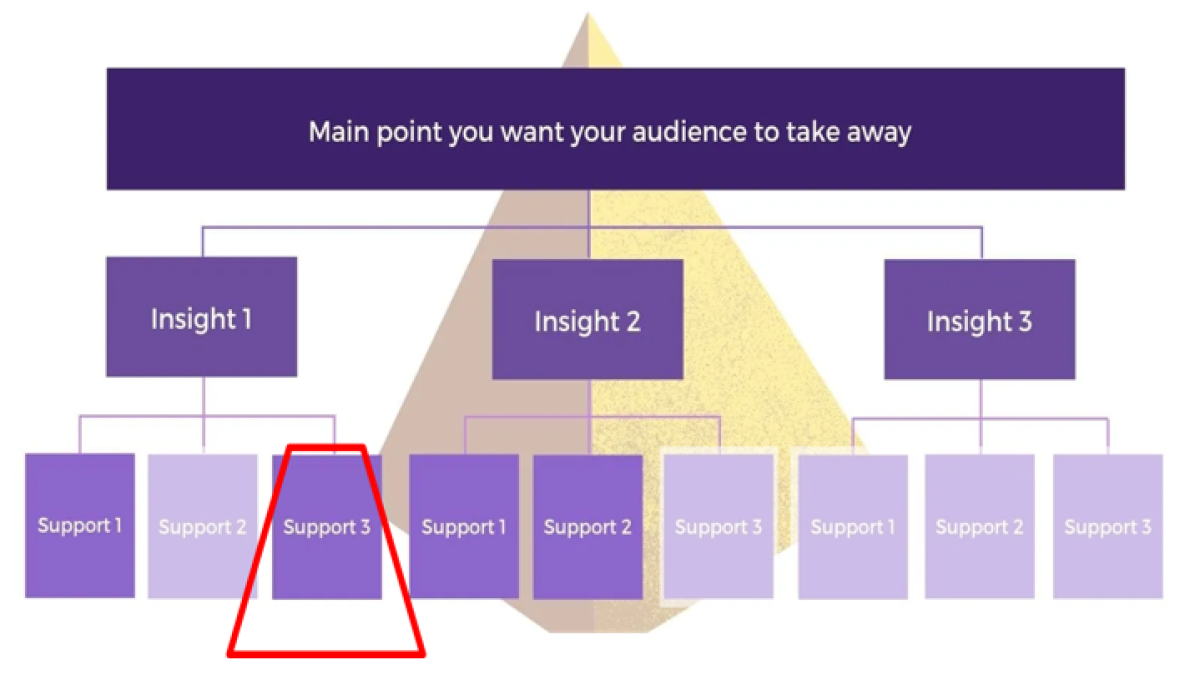
Start with the recommendation you want them to agree: summarise the key supporting insights : only then offer any key analysis. (Course available)
We often need to make the case for some finding or recommendation that arises from important work we or our team have done. It turns out that the 'agile' process for building our digital-twin business models follows the same principles that we need later to make that case.

Get our course on how to build a digital-twin business model.
Coupon blog20 for 20% discount.
How NOT to make the case
As a junior planning analyst and consultant, when it came to presenting my findings and recommendations, I thought the way to do it was:
… explain the analysis I had done
… show the insights that emerged from that analysis
… justify the recommendations that followed from those conclusions
Then I wondered why the people I worked for didn’t go along with my irrefutable logic and accept my recommendations. Sometimes we never got to the recommendations, because they would start picking away at things in the analysis they didn’t understand or agree with.
Then I came across Barbara Minto’s great little book “The Pyramid Principle”, which basically turns this logic upside down:
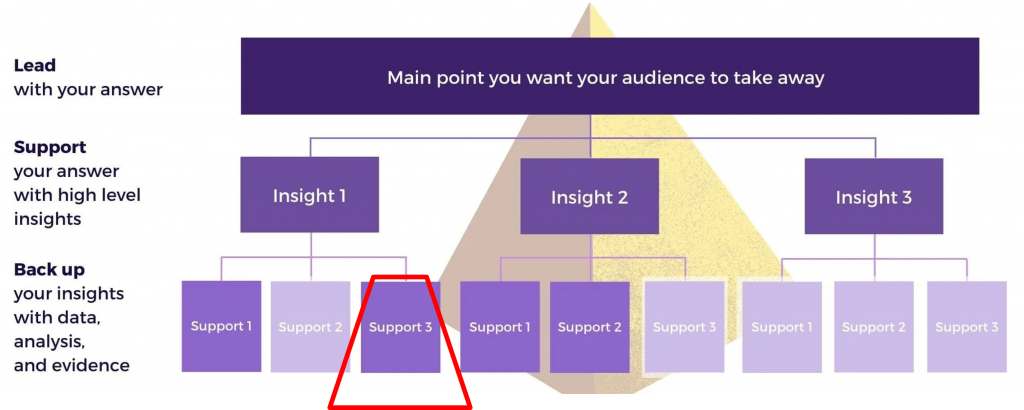
… start with the key recommendation, or issue you want agreed
… summarise the key insights that lead to this recommendation
… then only explain any supporting analysis that their questions call for (the not-pale supporting evidences in this figure)
Why this works
- Your audience are busy people and get annoyed sitting through stuff they either already know or don’t care about. Here, everyone accepts Insight 3 so they never want it justified.
- Then, they are hooked from the start on the big payoff – why they should be paying attention, rather than puzzling about where all my clever analysis is going.
- It makes space for explanation of evidence that may be surprising or complex. Here, ‘support 3’ for ‘insight 1’ needs more evidence. (The analysis in each ‘support’ block may of course have layers of detail!)
Furthermore ...
I now realise that the principle has a huge benefit for how we actually do the work in the first place – but I will say more about that next time.
_____________
Get these insights directly with my insight-emails at sdl.re/getinsights … and you get a FREE article on implementing strategy – a key topic, needing much better tools.
Categories: : business modeling, related course