The price we pay for the psychopath CEO (64)
 Kim Warren
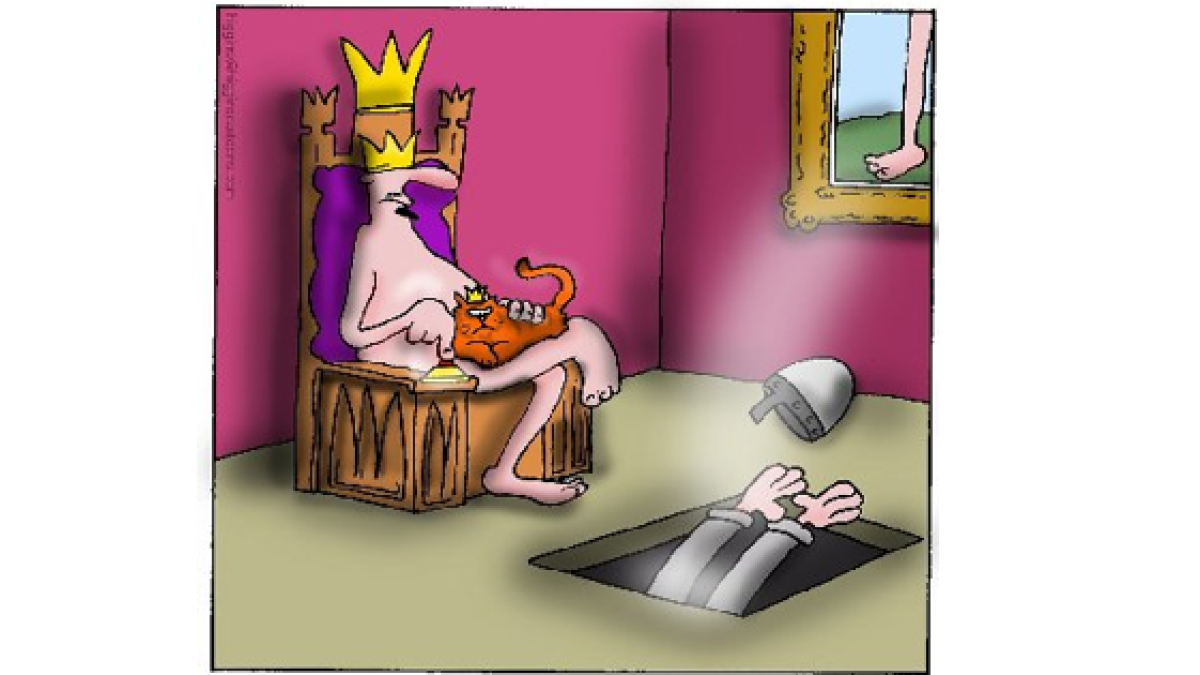
How psychopathy is widespread among business leaders, who follow a "slash, burn, repeat" career path.
First, a disclaimer - I have no expertise in this topic, so what follows is merely a lay-person's interpretation of information in the public domain..
I guess most people hearing the word 'psychopath' imagine some half-mad monster slaughtering people until police catch them and lock them up. But a 2017 BBC documentary summarising research on the issue suggested that psychopathy is a more widespread condition. (It's no longer available at source, but you might track it down), Fortunately, I gather, most people with the markers grow up with caring parents and families who socialise their behaviour, without realising what they are dealing with.
So where do those closet psychopaths go?
Experts say psychopaths crave power and dominant positions. But they are also chameleons, able to disguise ruthless and antisocial behaviour under a veneer of charm and eloquence.
They are also highly divisive, gathering around them those who are seduced by that charm and apparent authority, while destroying those who point out that the Emperor, in fact, has no clothes.
And where can they find great opportunities to enjoy power - at the tops of our organisations!!
A great article in Fortune says more about how psychopathy manifests among CEOs, and reports that somewhere between 4% and 12% of CEOs exhibit the traits - way more than the 1% prevalence in the general population and heading for the 15% found in prisons.
(Incidentally, academic institutions also offer opportunities for power and dominance too. I had the misfortune to work in a group headed by a character with exactly those characteristics!).
What has this got to do with strategy?
Well, what we want from strategic management ("we" being investors, employees, customers, society at large) is sustained strong performance, achieved responsibly. The psychopath CEO surely buys into the "strong performance" piece, but cares not at all about the "sustained" or "responsibly" bits.
So a typical story goes like this:
- the psycho-CEO is hired on the basis of their apparent strong leadership and commercial performance
- they set out for their team some plausibly ambitious objectives, to be achieved by ruthless means - notably, draconian cuts in spending and investment
- their acolytes are rewarded for the speed and extent to which they enact that strategy, while more thoughtful folk are fired
- sure enough, they transform performance – for a while
- so they modestly accept the plaudits, then move on to pull the same trick again
- ... leaving some other poor sucker to clear up the mess when their slash-and-burn turns the business house to ashes
I don't want to get sued, so I will leave you to consider whether you can think of any such cases - such as a large UK retailer, and a certain consumer bank?
(Incidentally, academic institutions also offer opportunities for power and dominance too. I had the misfortune to work in a group headed by a character with exactly those characteristics!).
What can be done?
That's not easy. It would be nice to think that the appointments committees who lead the search for new CEOs might dig into the true track-record of their candidates. And they might up-weight a bit the value of internal candidates who should be a better-known quantity.
Then investing institutions could be more sceptical about the reality behind the psycho-CEO's pronouncements and strategy. Perhaps look back at what happened in the longer term to organisations they previously led.
It would also be nice to imagine that experienced, professional executives might form an alliance to call out the first inklings of irresponsible strategies and initiatives by their new boss. Maybe even shove the cuckoo out of the nest? But for the reasons above, that's not easy.
But ultimately, if you find yourself on the wrong side of a psychopath-CEO, maybe move on quickly before they destroy you.
Categories: : business performance, strategy